MS-IDPT × ROOH – SPARC Collaboration
Description
Overview:
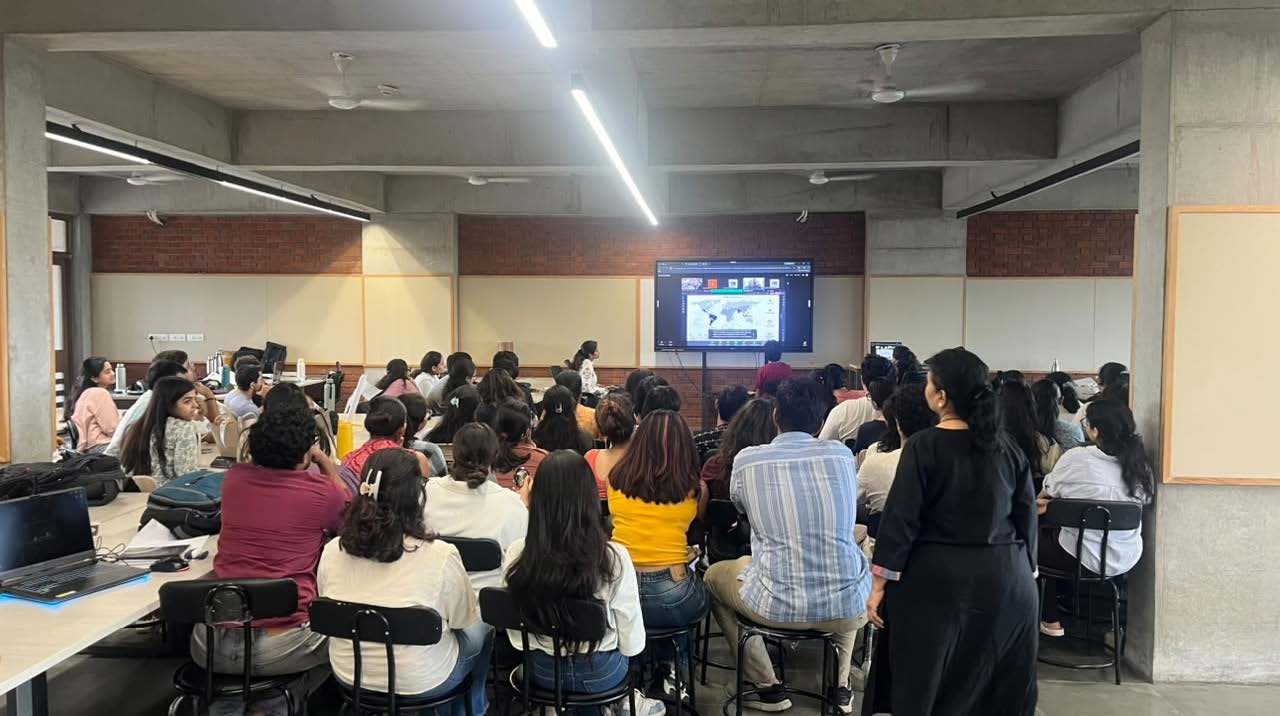
Under the academic collaboration between MS-IDPT, Sarvajanik University and ROOH, an insightful expert session on the ground realities of informal housing settlements was organised for the B.Arch Semester VII students as part of the Human Settlement Planning (Housing Theories) course.
The session commenced with an online introduction by the ROOH Secretariat, providing students with an overview of SPARC and ROOH, their objectives, approach, and engagement with communities living in informal settlements.
The session further introduced students to the realities of informal housing beyond the physical aspects of shelter. Through practical insights from field-based work, students were exposed to the complexities associated with informal settlements, including community participation, access to basic services, livelihood linkages, tenure-related concerns, social networks, and the challenges of working with diverse communities.
The discussion emphasised that housing and settlement planning cannot be addressed only through physical design interventions. A deeper understanding of people, place, socio-economic conditions, community aspirations, and local context is essential for developing meaningful and sustainable solutions.
Key Learning Points
The session enabled students to:
● Understand the ground realities of informal housing settlements.
● Recognise the social, economic and spatial dimensions of informal settlements.
● Understand the importance of community participation and engagement in housing interventions.
● Learn about the field-based approach adopted by organisations such as SPARC and ROOH.
● Appreciate the role of context-sensitive and people-centred approaches in settlement planning.
● Understand the challenges involved in translating planning and architectural ideas into practical interventions.
● Reflect on the role of architects and planners as facilitators and collaborators with communities, rather than merely as designers.
● Connect theoretical concepts studied in Housing Theories with real-world practices and experiences.
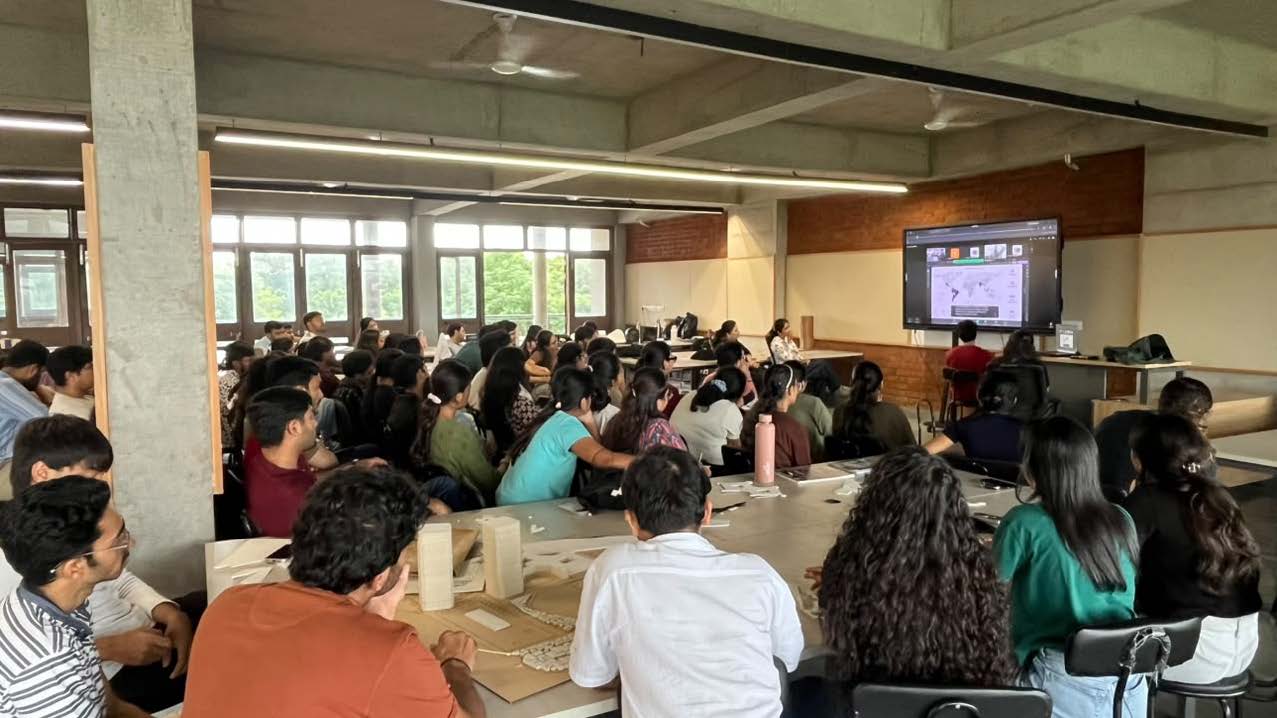
Event Photo:
Outcomes:
The session successfully:
● Bridged the gap between academic theory and field-based practice.
● Enhanced students' understanding of the complexity of informal settlements.
● Developed awareness of participatory and community-centred housing approaches.
● Encouraged students to view housing as a social, cultural, economic and spatial issue, rather than merely a built-form problem.
● Strengthened the academic interface between MS-IDPT, ROOH and SPARC.
● Created opportunities for further expert interactions, field exposure, collaborative learning and future academic initiatives.
Conclusion
The MS-IDPT × ROOH – SPARC Collaboration session provided an important platform for students to engage with contemporary challenges in informal housing and settlement planning. It reinforced the significance of empathy, community participation, contextual understanding and collaborative approaches in creating more inclusive and responsive housing environments.
The initiative also provides a strong foundation for continued academic engagement between MS-IDPT, ROOH and SPARC through future expert sessions, field visits, documentation exercises and community-based learning activities.
Date & Time
12/08/2026 TO 12/08/2026
Venue
MS-IDPT