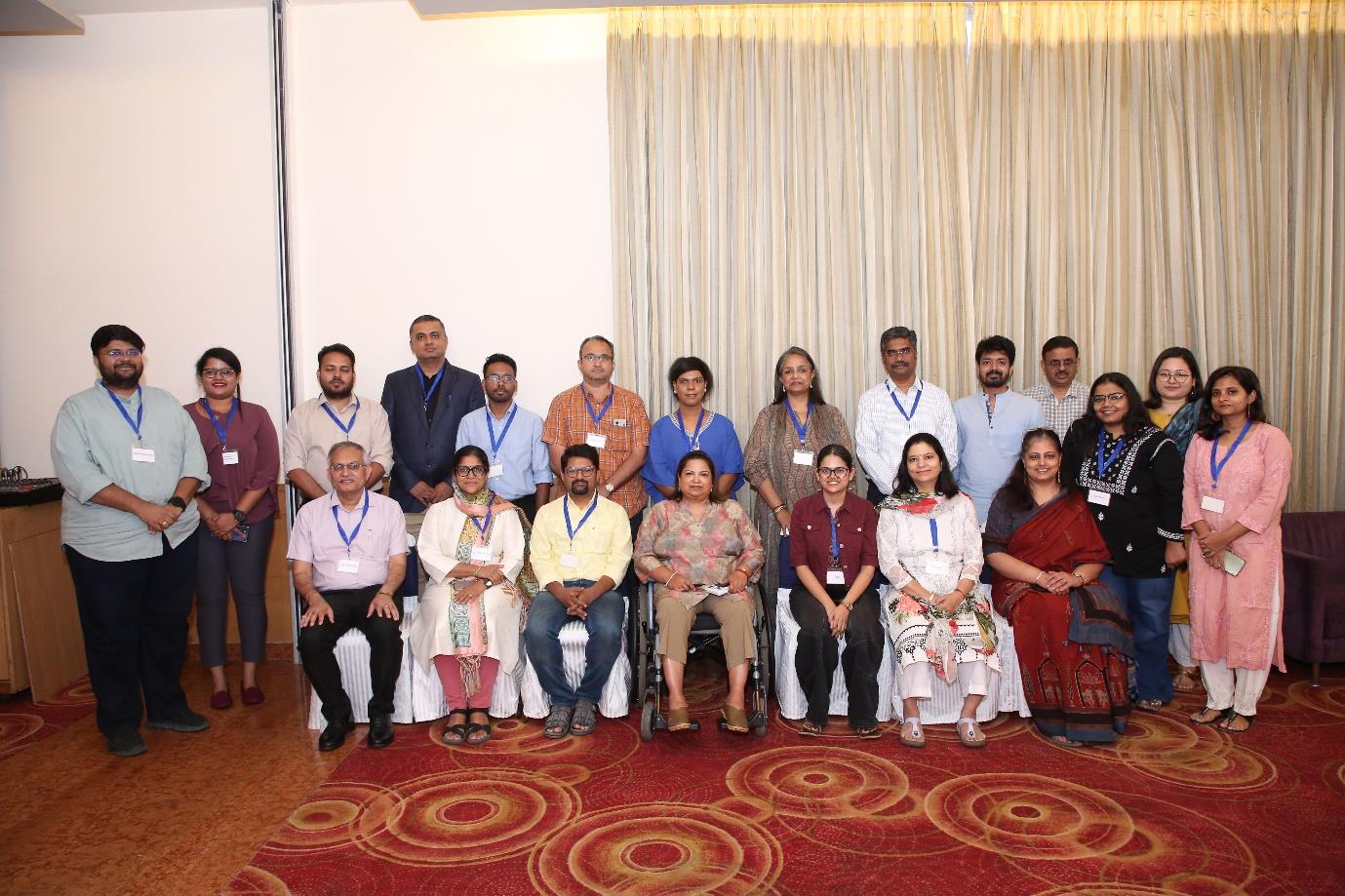
Integrating Inclusion in Urban WASH Curriculum
Description
Faculty Participation in International Academic Convening.
| Particulars |
Details |
| Name of Participant | Prof. Niraj Naik |
| Designation |
Professor |
| Institution |
MITRAJ Sarvajanik Institute of Design, Planning & Technology (MS IDPT) |
| Nature of Participation |
Academic Convening / Curriculum Development Workshop |
| Mode of Participation |
Offline |
Organizing Institution and Coordinating Agency
The convening was coordinated by CREA India in collaboration with the Global Sanitation Graduate School (GSGS) network and its India Regional Hub. The event brought together academic institutions, practitioners, researchers, and subject matter experts working in the domains of Water, Sanitation and Hygiene (WASH), inclusion, urban planning, governance, and interdisciplinary education.
The Global Sanitation Graduate School (GSGS) is an international academic and practitioner network focusing on sanitation and WASH education, interdisciplinary collaboration, inclusive learning approaches, and practice oriented pedagogy.
About the Event
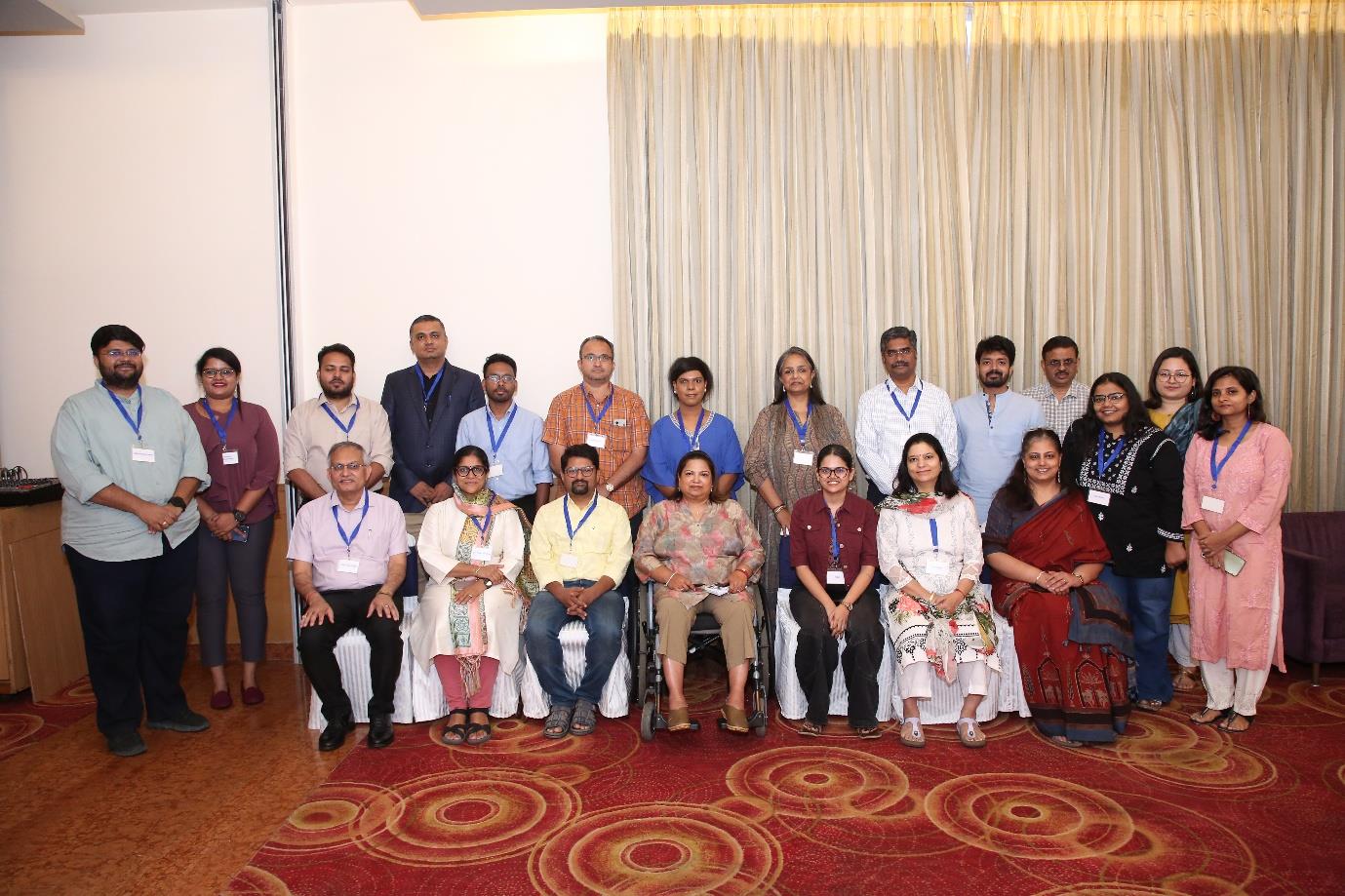
The two day convening titled “Integrating Inclusion in Urban WASH Curriculum” aimed to critically examine the existing gaps within WASH education and explore methods for integrating inclusion, equity, accessibility, gender sensitivity, and justice oriented perspectives into academic curricula.
The concept note highlighted that Urban WASH education in India has expanded significantly in recent years, but continues to remain largely technocratic and infrastructure focused, with limited engagement with questions of equity, dignity, exclusion, accessibility, and lived experiences.
The convening therefore created a collaborative academic platform for institutions and practitioners to collectively discuss inclusive curriculum development, interdisciplinary pedagogy, and socially responsive teaching practices.
Objectives of the Convening
The key objectives of the convening included:
Reflecting on how inclusion is currently integrated within WASH curricula
Sharing practical examples of inclusive teaching and learning approaches
Discussing frameworks for assessing inclusion within WASH education
Exploring interdisciplinary and cross institutional collaboration
Encouraging lived experience based and case study based pedagogy
The workshop structure encouraged interdisciplinary dialogue, collaborative learning, curriculum reflection, practical pedagogy, and institutional action planning.
Key Learnings and Academic Outcomes
Inclusive Perspective in WASH Education
The event emphasized that inclusion within WASH education must extend beyond physical infrastructure and incorporate broader dimensions such as gender, caste, disability, age, occupation, sexuality, dignity, rights, and social justice.
Importance of Interdisciplinary Curriculum Design
Discussions highlighted the importance of integrating planning, governance, architecture, public health, social sciences, and community engagement into technical and infrastructure oriented education frameworks.
Curriculum Innovation and Gap Mapping
Participants critically examined existing curricula and identified gaps related to equity, accessibility, inclusion, and socially responsive planning approaches.
Practice Oriented Learning
The convening encouraged field based learning, case studies, practitioner interaction, community perspectives, and lived experience based pedagogy for developing more inclusive professional education.
Institutional Collaboration
The event facilitated academic networking and collaborative engagement among universities, institutes, practitioners, and WASH professionals from across India and neighbouring academic networks.
Relevance to MITRAJ Sarvajanik Institute of Design, Planning & Technology (MS IDPT)
Participation in the convening is highly relevant to the academic and pedagogical objectives of MS IDPT, particularly within the domains of:
Architecture
Urban and Regional Planning
Environmental Design
Urban Governance
Community Development
Inclusive and Sustainable Design Education
The learnings from the convening can contribute towards:
Integrating inclusion and equity perspectives within academic curriculum
Enhancing socially responsive teaching methodologies
Strengthening interdisciplinary and practice based pedagogy
Encouraging participatory and community based learning approaches
Promoting inclusive and sustainable urban development education
Conclusion
The convening on “Integrating Inclusion in Urban WASH Curriculum” served as an important academic platform for discussing the future of inclusive and equitable WASH education. The event successfully fostered interdisciplinary dialogue, collaborative learning, curriculum innovation, and institutional engagement.
Participation in the convening provided valuable academic exposure and strengthened understanding of inclusive pedagogical approaches relevant to architecture, planning, urban governance, and sustainable development education at MS IDPT.
Date & Time
14/05/2026 TO 15/05/2026
Venue
The Metropolitan Hotel & Spa Bangla Sahib Road, Connaught Place New Delhi - 110001